Author name: fortunaply.com

Shandong Fortuna International Trade Co., Ltd. Founded in 1990s in linyi city , It is one of the largest wooden panel manufacturers in China . Mainly exports Plywood ,Film Faced Plywood , Melamine boards, MDF ,OSB Boards for global importers, furniture factories, construction companies and building material wholesalers . The high quality plywood and film faced plywood passed US CARB 2, Europe CE, EUTR, FSC , ISO and China plywood standard . We supply top quality film faced plywood made of hardwood, birch or poplar . Our furniture plywood,Furniture MDF and furniture Particleboard are sold to big furniture factories with best-know brands in Canada,US, Belgium , Denmark Europe markets.

why mdf is perfect for custom furniture projects

Why MDF is Perfect for Custom Furniture Projects?

Table of Contents When you’re planning a custom furniture project, material choice can make or break both the design outcome and the bottom line. Among the many materials available today, MDF (Medium-Density Fiberboard) stands out as one of the most practical, cost-effective, and versatile options—especially for indoor projects where aesthetic precision and budget matter. In recent search trends, terms like “MDF furniture” and “MDF cabinets” have seen notable spikes in interest, reflecting growing demand from both DIY enthusiasts and commercial builders alike.Whether you’re a custom furniture maker, a contractor, or a design lead scouting materials for your next project, here’s a deep dive into why MDF is perfectly suited for custom furniture work. What Is MDF and Why It Matters Before we dive into its benefits, let’s clarify what MDF is: MDF, or Medium-Density Fiberboard, is an engineered wood product made by compressing wood fibers with resin and wax under heat and pressure. This creates a dense, uniform panel that’s smooth, stable, and easy to work with—attributes that are harder to find in solid wood or plywood. 1. Affordable Without Compromising Quality One of the biggest draws of MDF is its cost-effectiveness. Compared to solid wood or many plywood grades, MDF delivers a similar visual quality at a fraction of the price. This affordability allows businesses and projects of all scales to keep costs down without sacrificing design results.This makes MDF ideal for large-scale installations like cabinetry, retail displays, or office furniture where material budget matters. 2. Smooth, Paint-Ready Surface MDF’s uniform surface is exceptionally smooth, making it a dream substrate for paints, laminates, and veneers. Unlike natural wood, which can show grain and defects beneath finishes, MDF provides a flawless finish every time. Perfect for high-gloss modern finishes Excellent for muted matte or two-tone paint styles Great base for decorative applications 3. Highly Customizable and Easy to Machine For custom furniture, design flexibility is everything. MDF is beloved by woodworkers because it cuts, drills, routes, and shapes cleanly—offering precise edges and curves with minimal splintering. Ideal for CNC routing, jali patterns, and curves Consistent performance across all sheets Easy for both hand tools and automated machinery This makes MDF especially suitable for bespoke pieces, unique shelving systems, and furniture designs that demand exacting tolerances. 4. Stable and Warp-Resistant Unlike solid wood, which can warp with humidity or temperature swings, MDF’s engineered structure offers superior dimensional stability, meaning your custom pieces retain their shape over time.This stability is critical in environments like offices, showrooms, and homes where climate control varies across seasons. 5. Eco-Friendly Potential Since MDF is made from recycled wood fibers and showcases efficient use of wood waste, it has a smaller environmental footprint compared to harvesting new hardwood logs.For many project planners, choosing MDF aligns with sustainability goals without inflating costs. Practical Tips for Using MDF in Projects Here are some useful pointers if you’re integrating MDF into your custom furniture lineup: Seal and Finish ProperlyWhile MDF is stable and paint-ready, its edges can absorb moisture if left unfinished, so always seal with primer or veneer for longevity. Choose Right MDF GradesFor areas like kitchens or offices, consider moisture-resistant MDF grades if humidity exposure is expected. Use Appropriate FastenersPre-drilling holes for screws helps prevent splitting, especially on edges. Related Articles

Why MDF is Perfect for Custom Furniture Projects? Read More »

what is mdf

What is Medium Density Fibreboard?

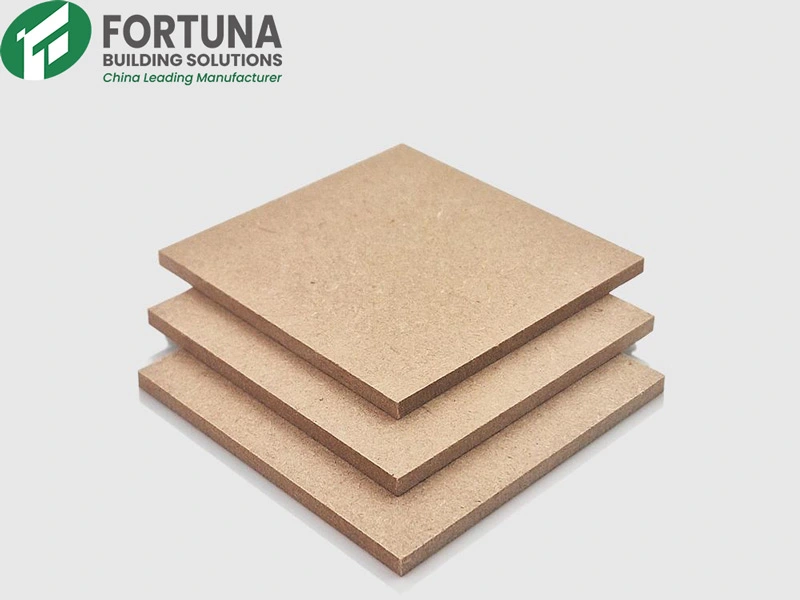
Table of Contents When you’re knee-deep in a renovation, cabinetry job, or commercial fit-out, choosing the right substrate can make or break your timeline, budget, and final finish. Enter Medium Density Fibreboard—or MDF, as it’s commonly known. But what exactly is it, and why does it keep showing up on your material spec sheets? Let’s cut through the jargon and get practical. What Is Medium Density Fibreboard? Medium Density Fibreboard is an engineered wood product made by breaking down hardwood or softwood residuals into wood fibers, combining them with wax and a resin binder, and forming panels under high temperature and pressure. The result? A smooth, uniform board with no knots, grain patterns, or voids—ideal for painting, laminating, or precision machining. Compared to plywood or solid wood, MDF offers superior dimensional stability and surface consistency. That’s why it’s a go-to for everything from retail displays and office furniture to skirting boards and speaker cabinets. But not all MDF is created equal. Depending on your project’s environment and performance requirements, you might need specialized variants. Moisture-Resistant MDF: When Humidity Can’t Be Avoided Standard MDF swells when exposed to moisture—so bathrooms, kitchens, or exterior-adjacent zones demand something tougher. Moisture-Resistant MDF (often green-tinted for easy identification) contains additives that significantly reduce water absorption. This doesn’t mean it’s waterproof—it’s still not suitable for direct outdoor use—but it holds up far better in damp conditions. Think utility rooms, laundry areas, or even humid climates where condensation is a concern. Always seal edges and surfaces with a quality primer or sealant, even with MR-MDF. It’s cheap insurance against long-term damage. Fire-Rated MDF: Safety Without Sacrificing Finish In commercial builds—especially schools, hospitals, or multi-residential projects—fire safety isn’t optional. Fire-Rated MDF is treated with flame-retardant chemicals that slow ignition and reduce smoke emission during a fire. These boards meet stringent standards like EN 13501-1 (Class B or better) or ASTM E84. The best part? You don’t lose the smooth finish MDF is known for. Fire-rated versions machine and paint just like standard boards, making them ideal for wall panels, ceiling baffles, or reception desks where aesthetics and compliance must coexist. High Density Fibreboard vs. MDF: Know the Difference You might also hear about High Density Fibreboard (HDF). While similar in composition, HDF is denser (typically >800 kg/m³ vs. MDF’s 600–800 kg/m³), harder, and more durable. It’s often used for flooring underlays, door skins, or high-wear applications. But here’s the catch: HDF is less forgiving to work with—harder on tools, more prone to chipping, and usually more expensive. For most interior joinery and cabinetry, standard or enhanced MDF strikes the right balance of performance and workability. Why Project Professionals Choose MDF Consistent surface: No sanding surprises or grain tear-out. Cost-effective: Often cheaper than solid wood or high-grade plywood. Design flexibility: CNC routers love it—perfect for intricate profiles. Paint-ready: Absorbs finishes evenly for a flawless look. Just remember: MDF is heavier than many alternatives, and dust control during cutting is non-negotiable (always wear PPE and use extraction). Final Thoughts Whether you’re specifying materials for a luxury hotel lobby or building custom shelving for a client’s home office, understanding the nuances of Medium Density Fibreboard—and its specialized forms—can save time, reduce callbacks, and deliver a higher-quality end product. Don’t treat all MDF as interchangeable. Match the board to the environment, and you’ll avoid costly mistakes down the line. Related Articles Products Moisture-Resistant MDF (MR MDF) Fire-Rated MDF(FR MDF) HD MDF Board (HDF)

What is Medium Density Fibreboard? Read More »

what is sheathing plywood

What is Sheathing Plywood?

Table of Contents When it comes to building or renovating, not all plywood is created equal. If you’ve ever walked into a lumberyard and heard the term “sheathing plywood,” you might have wondered: What exactly is it—and why should I care? Whether you’re framing a new home, reinforcing a roof, or tackling a commercial construction project, understanding sheathing plywood can save you time, money, and headaches down the line. Let’s break it down—no jargon, just practical insights. What Exactly Is Sheathing Plywood? Sheathing plywood is a type of structural panel engineered specifically for use in walls, roofs, and floors as a base layer beneath exterior finishes like siding, shingles, or drywall. Unlike decorative or furniture-grade plywood, sheathing prioritizes strength, dimensional stability, and moisture resistance over appearance. Made from cross-laminated veneers bonded with waterproof adhesives (often phenol-formaldehyde), it’s designed to withstand harsh conditions during and after construction. Most sheathing plywood carries a PS 2 (Performance Standard 2) rating from the APA – The Engineered Wood Association, ensuring it meets rigorous structural requirements. Common thicknesses range from ¼” to ¾”, with ½” and 5/8″ being the most widely used for residential wall and roof applications. Why Choose Sheathing Plywood Over Other Panels? You might be wondering: Can’t I just use OSB or regular plywood? Technically, yes—but there are key differences: Sheathing plywood vs. OSB: Both are structural, but plywood generally handles moisture better and recovers more effectively if it gets wet during construction. Sheathing plywood vs. sanded plywood: Sanded panels look nicer but lack the glue durability and shear strength needed for load-bearing applications. Code compliance: Many local building codes specify plywood sheathing for seismic or high-wind zones due to its superior nail-holding power and rigidity. In short: if your project demands reliability under stress—and most do—sheathing plywood is the smart baseline choice. Common Applications in Real-World Projects Here’s where you’ll typically see sheathing plywood in action: Wall sheathing: Provides lateral bracing and a nailing surface for siding. Roof decking: Forms a stable base for roofing materials; often used in areas prone to heavy rain or snow. Subflooring: Especially in high-moisture environments like bathrooms or kitchens (though tongue-and-groove variants are preferred here). Concrete formwork: Temporary molds for pouring concrete foundations or walls. Pro tip: Always check whether your sheathing carries an Exposure 1 or Exterior rating. “Exposure 1” means it can handle temporary weather exposure during construction—not long-term outdoor use. How to Buy the Right Sheathing Plywood Not all sheathing panels are stamped the same. When shopping, look for: APA grade stamp: Confirms it meets U.S. performance standards. Span ratings: Indicates maximum support spacing (e.g., “48/24” means 48″ on center for roof, 24″ for floor). Edge profiles: Square-edge for general use; tongue-and-groove for subfloors to reduce squeaking. And remember—price isn’t everything. A slightly higher upfront cost for quality sheathing can prevent costly callbacks or structural issues later. Final Thoughts Sheathing plywood might not win any beauty contests, but in the world of construction, it’s the unsung hero holding everything together—literally. For contractors, builders, and serious DIYers, choosing the right sheathing isn’t just about meeting code—it’s about building smarter, safer, and more efficiently. Ready to spec your next project? Make sure sheathing plywood is on your material list from day one. Related Articles

What is Sheathing Plywood? Read More »

particle board for b2b projects in 2026

Particle Board for B2B Projects in 2026: Cost-Driven Advantages Global Buyers Can’t Ignore

Table of Contents Particle board is no longer seen as a low-end alternative. By 2026, it will become a strategic sourcing material for global B2B buyers, exporters, and large-scale project developers. Furniture manufacturers, interior contractors, and importers are all seeking materials that offer stable costs, scalable supply, and compliance with relevant regulations.For exporters and purchasing managers, particleboard offers a rare combination: competitive pricing, consistent quality, and widespread market acceptance across various regions. Why is global B2B buyer demand for particleboard growing? Today, international buyers focus on three key issues: Cost control Supply chain reliability Sustainability compliance Particleboard meets all three criteria. With fluctuating log prices and unpredictable solid wood prices, engineered wood products like particleboard offer price transparency and scalable production, making them easier to incorporate into long-term contract planning. 1. Price advantage for large-volume orders For exporters and wholesalers, particleboard offers a significant cost advantage over plywood and medium-density fiberboard (MDF) in many interior applications. Its raw materials—wood residue and recycled fibers—help manufacturers stabilize prices even during market fluctuations. This makes particleboard ideal for applications such as: Large-scale furniture factories Large residential or hotel projects OEM and private-label furniture Lower unit costs directly translate into higher profit margins for B2B buyers. 2. Stable Specifications and Industrial Consistency Consistency is crucial in the B2B supply chain. Particleboard is produced under controlled conditions, resulting in: Uniform thickness and density Predictable processing performance Low scrap rate For overseas buyers, this consistency minimizes disputes, simplifies quality inspection, and facilitates repeat orders. 3. Ideal for Export-Oriented Furniture Manufacturing Particle board remains one of the most commonly used substrates for products such as: Flat-packed furniture RTA (Ready-to-Use) systems Modular cabinets and wardrobes Particleboard is compatible with melamine, laminate, finishes, and PVC surfaces, making it a preferred material for export furniture, especially in Europe, the Middle East, Southeast Asia, and Africa. 4. Compliance with International Sustainability Requirements Many importing countries now require companies to provide environmental responsibility certification. Particleboard meets this requirement by: Using recycled wood Providing E0/E1 low-formaldehyde products Compliant with FSC or equivalent certification standards For exporters, this simplifies the process of complying with green building regulations and retailers’ sustainability policies. 5. Logistics and Container Optimization From the exporter’s perspective, particleboard offers the following logistical advantages: Standardized board dimensions Efficient palletizing Reduced transportation waste These factors help optimize container loading and reduce freight costs—a significant advantage given the uncertainty of global logistics costs. 6. Faster Production Cycles for OEM Buyers Particleboard is easy to process and has a fast surface finish, enabling manufacturers to: Increase output Reduce tool wear Shorter delivery cycles For OEM buyers with tight delivery cycles, this efficiency helps achieve just-in-time production and accelerate market entry. 7. Particleboard vs. Plywood: A B2B Decision-Making Framework Particleboard and plywood are not direct competitors, but rather serve different procurement strategies. B2B Use Case Typical Options  Cost-sensitive interior furniture Particle Board High-volume OEM production Particle Board Structural or load-bearing use Plywood Decorative laminated panels Particle Board Moisture-exposed environments Plywood In 2026, many buyers are using a mix of materials to optimize the cost and performance of their product lines. 8. Increasingly Widespread Applications in Contract and Project-Based Supply The applications of particleboard are expanding to include: Hotel and serviced apartment projects Student accommodations Office renovations Retail chains Its predictable pricing makes it ideal for tender procurement, where budget accuracy is crucial. 9. Export Trends Driving Particleboard Growth in 2026 Several trends are shaping global demand: Growth of private-label furniture brands Increased outsourcing of furniture manufacturing Rising demand in emerging markets Preference for standardized panel products Particle Board aligns well with these trends, making it a reliable export category for manufacturers. FAQ Is Particle Board suitable for export furniture?Yes. It is widely used in export-oriented furniture, especially for laminated and modular products. What certifications do buyers usually require?Most buyers request E1 or E0 formaldehyde standards and FSC or equivalent sustainability certification. Can Particle Board be customized for OEM orders?Yes. Thickness, density, surface finish, and size can typically be customized for OEM clients. How does Particle Board perform in long-term projects?When used in interior applications, it offers stable performance with minimal maintenance. Is Particle Board accepted in European and Middle East markets?Yes. It is commonly used in both regions, particularly in furniture and interior fit-out projects. Will Particle Board pricing remain competitive in 2026?Compared to solid wood and plywood, Particle Board is expected to maintain stronger price stability. Final Thoughts​ For B2B buyers, importers, and exporters, Particle Board represents more than a cost-saving option—it is a strategic sourcing material. Its consistency, scalability, sustainability credentials, and global acceptance make it well-suited for modern supply chains and international trade.Companies that understand how to position Particle Board correctly within their product mix will gain a clear advantage in pricing, delivery speed, and market responsiveness in 2026. Related Articles Recommended Products Plain Particle Board Melamine Particle Board High-End Decorative Particleboard Plain Hollow Core Particle Board

Particle Board for B2B Projects in 2026: Cost-Driven Advantages Global Buyers Can’t Ignore Read More »

what is mdf board

What is MDF Board?10 Powerful Reasons It’s the Best Choice for Projects

Table of Contents Understanding MDF in Modern Manufacturing MDF—short for Medium Density Fiberboard—is one of today’s most widely used engineered wood materials. In the first 10% of this article, it’s important to highlight that MDF is created by breaking down softwood fibers, mixing them with resin, and pressing them into dense, smooth panels. For wholesalers and project-based customers, MDF offers consistency, affordability, and stable supply—qualities essential for long-term partnerships.Unlike natural wood, MDF is highly uniform. It has no knots, grain inconsistencies, or internal gaps, making it ideal for CNC machining, router work, lamination, and large-scale production lines. How MDF Is Made The process includes: Fiber refining Resin blending Hot pressing Sanding Quality grading These steps ensure stable density and a smooth surface suitable for premium finishing. MDF vs Other Engineered Wood Products MDF vs Plywood MDF is smoother and easier to rout Plywood is stronger in load-bearing applications MDF vs Particleboard MDF is denser, stronger, and machines better Particleboard is cheaper but less durable When to Choose MDF Choose MDF when you need: Consistent texture High-quality finishing Clean, sharp edges Key Technical Properties of MDF (Density, Strength, Moisture Resistance) Standard MDF Suitable for furniture, cabinets, partitions, displays. High-Density MDF (HDF) Used for flooring, interior doors, and high-performance applications. Moisture-Resistant MDF (MR MDF) Ideal for kitchens, bathrooms, and commercial interiors with high humidity. Why MDF Is Popular Among B2B Buyers For wholesalers and importers, MDF provides: Stable pricing that improves margin planning Reliable supply due to large global manufacturing capacity Low waste thanks to consistent density Easy processing that reduces labor time For project contractors, MDF helps speed up installation and reduce finishing costs. Common Industrial Applications of MDF MDF is widely used across: Commercial furniture manufacturing Cabinets and wardrobes Interior wall panels Door skins and frames Retail store fixtures Acoustic panels Decorative elements for hotels & offices Its versatility makes it a go-to choice for large-scale projects. MDF Specifications Wholesalers Must Know Parameter  Typical Options  Sheet Size 1220×2440mm / 1830×2440mm / Custom Thickness 2.5mm – 25mm Density 650–880 kg/m³ Grades Standard / HDF / MR / Fire-Rated Consistency in these specs is crucial for repeat orders and stable production. Surface Types and Finishing Options for MDF Raw MDF: Suitable for painting and laminating Melamine MDF: Ready-made colors for cabinets and wardrobes Veneered MDF: Natural wood appearance with stable core PVC Laminated MDF: Durable and moisture-friendly MDF for Large-Scale Projects and Contracting Contractors value MDF because: It machines cleanly It doesn’t warp under stable indoor conditions It works perfectly with CNC cutting and shaping It supports mass production with minimal batch variation Whether you’re delivering 500 hotel rooms or outfitting a commercial mall, MDF ensures uniformity. MOQ, Lead Time & Logistics Considerations Wholesalers typically order: FCL (Full Container Load) shipments 20GP, 40GP, or 40HQ containers Lead times average 15–25 days, depending on finish and grade. Palletized or loose-loading options are available depending on exporter capabilities. Environmental Standards and Certifications Reliable MDF manufacturers comply with: CARB Phase II EPA TSCA Title VI E0/E1 Formaldehyde Standards FSC Certification (for sustainable forestry) How to Choose a Reliable MDF Supplier Look for: In-house testing equipment Quality control at each production stage Competitive MOQ options Transparent pricing Consistent density and bonding strength Factory capacity also matters—larger mills offer more stable supply. The Future of MDF in Global Markets The demand for MDF continues to grow due to: Affordable housing projects Modern modular furniture Expansion of interior construction markets Tech innovations—including waterproof MDF and fire-resistant MDF—are increasing adoption. Using MDF to Improve Project Cost Performance MDF helps reduce: Material waste Finishing time Edge treatment cost CNC machining expenses This makes it a top choice for procurement managers aiming to control budgets. Common Challenges & Practical Solutions with MDF Challenge  Solutio  Moisture issues  Use MR MDF / Seal edges Edge deterioration Use edge banding Screw holding strength Pre-drill holes / Use confirmat screws Heavy weight Choose lighter MDF variants FAQs About MDF 1. What is MDF mainly used for in B2B projects?Furniture, cabinets, doors, retail fixtures, and interior panels. 2. Is MDF strong enough for commercial use?Yes—commercial-grade MDF is dense and stable, perfect for professional projects. 3. Can MDF be used in humidity-prone areas?Yes, but select moisture-resistant MDF for bathrooms and kitchens. 4. How do wholesalers ensure MDF quality?Check density, bonding strength, formaldehyde levels, and surface flatness. 5. Is MDF safe for indoor use?MDF that meets E0/E1 or CARB standards is safe for interior environments. 6. Can MDF be customized in bulk?Yes—suppliers can provide custom thickness, dimensions, lamination, and colors for large orders. Final Thoughts MDF remains one of the most practical, affordable, and stable materials for B2B buyers—especially wholesalers, distributors, and project contractors. Its consistency, machinability, and wide range of applications make it a reliable choice for large-scale commercial and residential projects. With the right supplier, MDF can significantly improve production efficiency and cost performance. Related Articles Recommended Products MR MDF FR MDF HDF MDF E0

What is MDF Board?10 Powerful Reasons It’s the Best Choice for Projects Read More »

mdf furniture

Why MDF is Perfect for Custom Furniture Projects

Table of Contents Medium-Density Fiberboard (MDF) has become one of the most trusted engineered wood options in today’s commercial and custom furniture market. Its stability, smooth surface, and predictable quality have made it a preferred choice among wholesalers, project contractors, and manufacturers needing uniform materials at scale. With market demand rising—driven by interior upgrades, modular furniture, and commercial build-outs—MDF stands out for its machining performance, cost efficiency, and versatility. Below, we explore three major dimensions that matter most for B2B buyers. Material Performance Dimensional Stability MDF’s uniform density minimizes warping and expansion, making it reliable for large-scale installations where consistency is crucial. Contractors favor MDF because it behaves predictably during cutting, bonding, and finishing. Smooth Surface for Finishing The fine fiber composition creates a clean, smooth surface ideal for painting, laminating, or veneering. Wholesalers and furniture makers value this because it reduces prep time and ensures consistent output across bulk orders. Cost & Supply Efficiency Competitive Pricing for Large Orders Compared to hardwood or plywood, MDF offers significant cost savings without sacrificing performance. For high-volume furniture production, this creates better budget control and improved project margins. Readily Available in Bulk MDF’s high global production capacity means steady supply for wholesalers and contractors managing tight project timelines. Standardized sheet sizes also streamline logistics and inventory planning. Workability & Customization Easy Machining for Complex Designs MDF cuts cleanly without splintering, which is especially important in custom furniture projects requiring routed patterns, curved edges, or detailed panel designs. Manufacturers appreciate the reduced waste and improved precision. Compatible with Multiple Surface Options Whether the project needs high-gloss finishes, melamine laminates, or natural wood veneers, MDF adapts well to various surface treatments. This versatility makes it easier to meet diverse client demands. Final Thoughts For wholesalers and contractors, MDF is more than a cost-effective material—it’s a reliable, versatile solution that supports modern furniture design and large-scale production. Its stability, consistent performance, and finishing flexibility make it a smart choice for commercial projects and custom furniture manufacturing. Related Articles

Why MDF is Perfect for Custom Furniture Projects Read More »

how to prevent mdf from swelling moisture solutions

How to Prevent MDF from Swelling: Moisture Solutions & MR MDF Guide

Table of Contents Understanding Why MDF Absorbs Water our First Line of Defense: Moisture-Resistant MDF The Critical Step: Sealing MDF Correctly Proactive Measures and Problem Solving Understanding Why MDF Absorbs Water our First Line of Defense: Moisture-Resistant MDF The Critical Step: Sealing MDF Correctly Proactive Measures and Problem Solving Is MDF swelling ruining your furniture projects? Discover how to stop moisture damage in its tracks. This guide reveals essential sealing techniques and explains why moisture-resistant MDF (MR MDF) is a game-changer for humid environments like bathrooms and kitchens.MDF’s vulnerability to water is its biggest weakness. When moisture seeps in, it causes the wood fibers to expand, leading to irreversible swelling, especially on vulnerable edges. But this doesn’t mean you must avoid MDF in damp areas. By selecting the right type of board and applying a proper sealing protocol, you can create durable, moisture-resistant pieces that last for years. Let’s dive into the solutions. Understanding Why MDF Absorbs Water The Science Behind MDF Swelling MDF is like a sponge because of its physical composition. It’s made of fine wood fibers pressed together with adhesive. This process creates a dense panel with millions of tiny pores that readily absorb water vapor and liquid. Unlike solid wood, which has a longitudinal grain, MDF fibers are random, allowing moisture to penetrate equally in all directions.The edges are the most vulnerable part of any MDF project. Cutting the panel exposes the open ends of all those compressed fibers, creating a direct pathway for moisture to wick deep into the core. This is why a small spill can cause a shelf edge to swell to twice its original thickness, while the face remains relatively unaffected. Understanding this helps target your protection efforts effectively. Your First Line of Defense: Moisture-Resistant MDF What Makes MR MDF Different? For projects destined for kitchens, bathrooms, or laundry rooms, your best starting point is Moisture-Resistant MDF (MR MDF). This isn’t standard MDF with a simple coating; it’s manufactured with special water-repellent additives and resins blended into the wood fibers before pressing. These additives, often a waxy substance, help the panels repel moisture and significantly slow down the rate of water absorption.While often called “waterproof MDF,” it’s more accurate to think of it as highly water-resistant. It can withstand occasional splashes and high humidity far better than standard MDF, but it is not impervious to prolonged, standing water. MR MDF is identifiable by its green-tinted core, a visual cue that distinguishes it from the tan/brown core of standard boards. It’s the recommended choice for any application where humidity levels fluctuate. The Critical Step: Sealing MDF Correctly Creating an Impermeable Barrier Even if you use MR MDF, proper sealing is non-negotiable. A sealant’s job is to create a continuous, impermeable film over the entire surface, locking out ambient humidity and preventing accidental spills from causing damage. The goal is to encapsulate the MDF completely, leaving no path for moisture to find its way to the core.For the best results, use a high-quality, oil-based primer-sealer or a shellac-based product like BIN. These primers are excellent at sealing because they don’t raise the wood fibers like water-based products can. They create a hard, protective shell. Apply a generous coat to all surfaces, paying extra attention to the edges, which may require two or three thin coats to fill the porous end-grain completely.While often called “waterproof MDF,” it’s more accurate to think of it as highly water-resistant. It can withstand occasional splashes and high humidity far better than standard MDF, but it is not impervious to prolonged, standing water. MR MDF is identifiable by its green-tinted core, a visual cue that distinguishes it from the tan/brown core of standard boards. It’s the recommended choice for any application where humidity levels fluctuate. Mastering Edge Sealing Techniques Since edges are the primary failure point, they demand special attention. After applying a primer-sealer, you can enhance protection further. Using a waterproof wood glue to coat the edges is an effective trick; the glue soaks in and cures, hardening the fibers. Another professional method is applying edge banding, which adds a solid plastic or wood veneer layer, physically blocking moisture.For a perfectly smooth, sealed edge, lightly sand the primed surface with 220-grit sandpaper once it’s fully dry. This ensures any raised fibers are smoothed out. If you plan to paint, you can then proceed with your topcoats, knowing that each layer of a quality paint adds another level of protection against moisture intrusion. Proactive Measures and Problem Solving Preventing Moisture Damage in Humid Climates Beyond sealing, your environment matters. In regions with high humidity, ensure your workshop or home has adequate ventilation and climate control. Using a dehumidifier can significantly reduce the ambient moisture that MDF slowly absorbs over time, preventing the subtle warping and swelling that can occur even without a direct spill. When installing MDF cabinets or shelves in a bathroom, keep them away from direct water sources. Don’t mount MDF shelves directly over a shower unless they are exceptionally well-sealed on all sides. Always wipe up spills or condensation immediately. These simple habits dramatically extend the life of MDF in challenging environments. What to Do If Swelling Occurs If you catch swelling early, you might be able to fix it. First, dry the area thoroughly with a hairdryer on a low setting. Once dry, you can sometimes sand the swollen edge down carefully. However, if the swelling is severe and the core has delaminated, the damage is often permanent. In this case, the most reliable solution is to replace the panel with MR MDF and ensure it is sealed correctly this time.

How to Prevent MDF from Swelling: Moisture Solutions & MR MDF Guide Read More »

melamine mdf kitchen cabinets cover

Melamine MDF: Why It’s Perfect for Kitchen Cabinets | Ultimate Guide

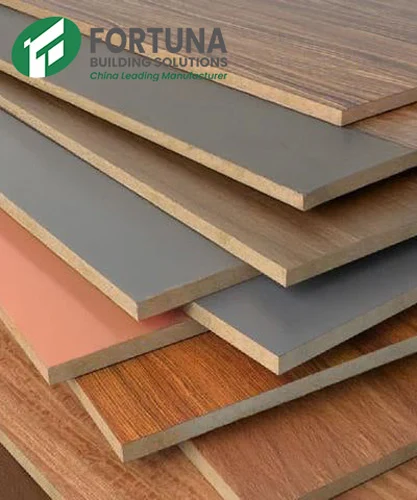
Table of Contents What Exactly is Melamine MDF? Top Advantages for Kitchen Cabinet Applications How It Compares to Other Cabinet Materials Design and Maintenance Considerations What Exactly is Melamine MDF? Top Advantages for Kitchen Cabinet Applications How It Compares to Other Cabinet Materials Design and Maintenance Considerations Planning new kitchen cabinets? Discover why Melamine MDF is the smart choice. This versatile material combines durability, style, and affordability—perfect for busy kitchens. Learn how its moisture-resistant properties and pre-finished surface make cabinet installation easier and more cost-effective than traditional options. Looking for cabinet materials that can withstand daily kitchen demands? Melamine MDF offers exceptional value with its durable melamine resin surface fused to moisture-resistant MDF core. Unlike raw wood or basic MDF, it comes pre-finished in countless colors and patterns, saving time and money on painting. Its resistance to stains, heat, and moisture makes it ideal for the kitchen environment. What Exactly is Melamine MDF? The Composition of a Modern Cabinet Material Melamine MDF is essentially two materials in one. The core consists of Moisture-Resistant (MR) MDF, an engineered wood known for its stability. The surface is bonded with melamine resin-impregnated paper under high heat and pressure. This process creates a incredibly hard, durable plastic-like surface that is permanently fused to the substrate. Unlike painted surfaces that can chip, the color and pattern run through the entire surface layer. This fusion process means the finish won’t peel or delaminate under normal conditions. The result is a uniform, consistent panel ready for immediate use in cabinet construction. Available in hundreds of colors, woodgrain patterns, and solid finishes, it provides endless design possibilities without the need for additional finishing work, making it a go-to for both cabinet manufacturers and DIY enthusiasts. Top Advantages for Kitchen Cabinet Applications Superior Durability for Daily Use Kitchen cabinets face constant abuse—slammed doors, spilled liquids, and heat from appliances. Melamine MDF excels here. The surface is highly resistant to scratches, stains, and impact. It can withstand common kitchen cleaners without losing its luster, unlike some painted finishes that may degrade over time. This durability ensures your cabinets maintain their fresh appearance for years. The moisture-resistant MDF core is crucial for kitchen environments. It provides protection against the humidity and occasional splashes inherent to cooking and cleaning. While not waterproof, it’s far more stable than standard MDF when exposed to moisture, significantly reducing the risk of swelling or warping that can ruin cabinetry. Cost-Effectiveness and Style Variety One of the biggest draws is its affordability. Compared to solid wood or even high-quality plywood, Melamine MDF offers significant savings without sacrificing aesthetics. Since it arrives pre-finished, you eliminate the costs and labor associated with painting or staining, making it a budget-friendly option for entire kitchen projects. The design flexibility is nearly limitless. Manufacturers offer an incredible array of finishes—from high-gloss whites and bold colors to realistic woodgrain patterns like oak, maple, and walnut. This allows homeowners to achieve a high-end custom look without the custom price tag. Whether your style is modern, traditional, or farmhouse, there’s a melamine finish to match. How It Compares to Other Cabinet Materials Melamine MDF vs. Plywood Cabinets Plywood has long been a standard for cabinet boxes due to its strength. However, for doors and drawer fronts, Melamine MDF often has the edge. While plywood is strong, its surface can be uneven and requires veneering or painting, adding cost. Melamine MDF provides a perfectly smooth, ready-to-use surface right from the supplier. The debate often centers on moisture resistance. Exterior-grade plywood handles water well, but it’s expensive. For interior applications like cabinet doors, moisture-resistant Melamine MDF is typically sufficient and more cost-effective. Its dimensional stability is also superior; it’s less prone to warping than plywood, which can be critical for ensuring doors and drawers function smoothly over time. Melamine MDF vs. Thermofoil MDF Thermofoil MDF is another popular option where a vinyl film is heat-wrapped around an MDF core. While thermofoil allows for intricate molded profiles, it can be vulnerable to heat damage from nearby ovens or cooktops, potentially causing the film to peel. Melamine’s harder surface is generally more heat-resistant. Melamine is also better at resisting abrasion and chemicals. Thermofoil can be punctured or torn, compromising its moisture barrier. Melamine’s solid surface doesn’t have this weakness. For simple, clean-lined shaker or slab cabinet doors, melamine offers a more robust and maintenance-free solution. Design and Maintenance Considerations Choosing the Right Style for Your Kitchen When selecting Melamine MDF cabinets, consider the overall kitchen aesthetic. For a contemporary look, slab-style doors in a high-gloss finish create a sleek, easy-to-clean surface. For traditional kitchens, a shaker-style door with a woodgrain melamine finish offers warmth and classic appeal without the upkeep of real wood. Pay attention to the edge detailing. Exposed MDF edges on cut panels must be properly sealed with matching edge banding. Quality manufacturers use thermally fused edge banding that matches the surface, creating a seamless, durable seal that protects the core from moisture ingress. This is a critical detail for long-term performance. Easy Maintenance for Long-Lasting Beauty Caring for Melamine MDF cabinets is straightforward. Regular cleaning with a soft cloth dampened with water and a mild detergent is usually all that’s needed. Avoid abrasive pads or harsh chemicals, which can scratch or dull the surface. Wipe up spills promptly, especially around the sink area, to prevent water from sitting on the surface or seeping into seams. While durable, it’s wise to use trivets under hot pots and pans directly from the stove. Although heat-resistant, extreme direct heat can potentially damage the surface over time. With proper care, your Melamine MDF cabinets will provide years of reliable service while maintaining their like-new appearance, making them a truly practical choice for any kitchen.

Melamine MDF: Why It’s Perfect for Kitchen Cabinets | Ultimate Guide Read More »

mdf for furniture best practices for durable pieces 3

MDF for Furniture: Best Practices for Durable Pieces

Tired of furniture that warps, cracks, or looks uneven? You’re not alone. Many DIY enthusiasts and furniture makers turn to Medium Density Fiberboard (MDF) for its smooth surface, affordability, and versatility. This guide dives deep into the best practices for using MDF to create stunning, durable furniture pieces that last. We’ll cover everything from selecting the right type of MDF and essential sealing techniques to expert priming and finishing tips. Whether you’re building a sleek modern cabinet or a sturdy bookshelf, learn how to avoid common pitfalls like swelling, orange peel texture, or bubbling, and unlock the full potential of MDF for your next project. Why Choose MDF for Your Furniture Projects? MDF, or Medium Density Fiberboard, is an engineered wood product made by breaking down hardwood or softwood residuals into wood fibers, combining them with wax and a resin binder, and forming panels under high temperature and pressure. Its uniform composition and smooth surface make it an ideal candidate for furniture projects that require a flawless finish, whether you’re painting, laminating, or applying veneers. Unlike natural wood, MDF has no grain, which means it won’t split or crack easily, and it provides consistent strength across the entire sheet. This makes it exceptionally versatile for creating everything from intricate decorative pieces to robust shelving units. The eco-friendly nature of modern MDF is another significant advantage. Many manufacturers now use recycled wood fibers and employ environmentally friendly manufacturing processes, with some boards containing up to 95% recycled materials. Furthermore, the industry is shifting towards low-emission and no-added-formaldehyde (NAF) formulations to meet strict indoor air quality standards like CARB Phase 2. This focus on sustainability means you can choose a material that minimizes environmental impact without sacrificing performance. For furniture makers, this translates into a product that is not only easier to work with but also aligns with the growing consumer demand for sustainable home goods. However, it’s crucial to understand MDF’s limitations. Its primary weakness is moisture; unless specially treated, standard MDF can swell when exposed to water. This is why it’s essential to use the correct type of MDF for your specific application and to seal it properly. Despite this, its benefits are compelling: cost-effectiveness, exceptional stability (it won’t warp or shrink like natural wood), and ease of machining allowing for clean cuts and detailed designs. For painters, MDF is a dream canvas, as its smooth surface accepts paint beautifully, often yielding a superior finish compared to knotty pine or other natural woods. Understanding Different Types of MDF for Various Applications Not all MDF is created equal. Selecting the right type is the foundational step to ensuring your furniture’s durability and functionality. The most common variant is Standard MDF, which is widely used for furniture, cabinetry, and interior decor elements like wall panels and trim work. Its popularity stems from its low cost and ease of use, making it a favorite for projects intended for dry environments. However, for any piece that might encounter humidity—think kitchen cabinets or bathroom vanities—standard MDF is a risky choice without extensive sealing. For environments where moisture is a concern, Moisture-Resistant (MR) MDF is the superior choice. This type is engineered with additives or different resins that give it enhanced protection against swelling and degradation caused by humidity. It’s specifically designed for use in areas like kitchens and bathrooms, where the demand for durable, water-resistant materials is high. Using moisture-resistant MDF significantly reduces the risk of damage and extends the life of your furniture pieces in challenging conditions. For commercial settings or spaces with strict fire safety regulations, Fire-Retardant MDF is available. This type undergoes treatment with flame-resistant chemicals, making it less susceptible to ignition. It’s commonly specified for schools, hospitals, and public buildings where meeting safety codes is paramount. When planning your project, always consider the end-use environment. Tip: Always check the manufacturer’s specifications for the MDF’s density and intended application. Higher density boards are generally more durable and better suited for furniture that will bear weight or experience frequent use. The Non-Negotiable Step: Proper Sealing of MDF The single most important practice for creating durable MDF furniture is proper sealing. Since MDF is highly porous and susceptible to moisture absorption, a reliable sealant acts as a protective barrier, preventing swelling and ensuring the longevity of your piece. The sealing process, often the first coating application, fills surface imperfections and ensures a closed surface, creating a uniform base for subsequent primers and topcoats. Neglecting this step, or doing it poorly, can lead to a host of problems down the line, including warping, paint failure, and a compromised structure. To achieve a perfect seal, technology and technique matter. For manual applications, using a spray gun like the XCITE™ Light Airmix® Manual Spray Gun equipped with an Airmix® nozzle is recommended. For automated processes, the AVX Automatic Airmix® Spray Gun is ideal. The Airmix® technology is particularly effective because it uses a combination of low pressure and a small amount of air (around 0.5 bar) to achieve optimal transfer efficiency. This method prevents “de-solventization,” where the solvent evaporates too quickly, which can lead to a flawed finish and issues like orange peel texture. Pro Tip: Always seal the edges of MDF, as they are significantly more porous than the faces. You may need to apply multiple coats to the edges to achieve a perfectly smooth base. Priming and Painting: Achieving a Flawless Finish After sealing, priming is the next critical step. A high-quality primer creates a strong, uniform foundation for your paint or topcoat, enhancing adhesion and ensuring a consistent, professional-looking finish. For MDF, it’s crucial to use a primer designed to lock in any remaining tannins and provide a solid base. When applying primer, avoid introducing excess air during spraying, as this can trap air within the film, leading to pesky bubbling issues. To prevent bubbling when priming, airless spray technology is often the best solution. For manual work, consider using an SFLOW™ 275 & 450 Airless® Manual Spray Gun with a Skill tip.

MDF for Furniture: Best Practices for Durable Pieces Read More »

the pros and cons of mdf every woodworker should know 2

The Pros and Cons of MDF Every Woodworker Should Know

Medium-Density Fiberboard, or MDF, is one of the most common and controversial materials in the woodworking world. Hailed by some for its versatility and cursed by others for its dust, it’s a material that inspires strong opinions.Whether you’re a seasoned pro or a weekend DIYer, understanding the true strengths and weaknesses of MDF is crucial before you bring it into your shop. It’s not a replacement for solid wood or plywood; it’s a different tool altogether. This honest breakdown will give you the knowledge to decide when to embrace MDF and when to avoid it. 1. The Advantages: Why Woodworkers Love MDF When used in the right application, MDF is an incredibly useful material. Here’s what makes it so popular: Perfectly Smooth, Uniform Surface: This is MDF’s greatest superpower. Unlike plywood with its voids and knots or solid wood with its grain, MDF has no natural texture. This makes it the ideal substrate for painting, as it results in a flawless, glass-like finish without any grain raising or imperfections. Cost-Effective and Consistent: MDF is significantly cheaper than solid wood and high-quality plywood. Its low cost makes it perfect for large projects, prototypes, or budget-friendly builds. Furthermore, every sheet is perfectly uniform in density and thickness, eliminating the worry of warping or weak spots within a single sheet. Excellent Workability: MDF is very easy to cut, shape, and route. It doesn’t have a grain direction, so it cuts cleanly with sharp tools without splintering or tear-out. This makes it fantastic for creating detailed CNC carvings, intricate scrollwork, and curved designs that would be difficult with other materials. Stable and Dimensionality Sound: MDF does not expand, contract, or warp with changes in humidity and temperature like solid wood can. This stability is a major advantage for built-in furniture like cabinets and shelves that need to maintain their shape over time. 2. The Disadvantages: The Challenges and Drawbacks For all its benefits, MDF comes with a set of significant drawbacks that must be respected. Heavy and Weak Structural Integrity: MDF is extremely dense and heavy. A sheet of 3/4″ MDF is much heavier than an equivalent sheet of plywood. More importantly, it has poor strength under load and is prone to sagging over long spans. It also holds screws and nails poorly, especially near edges, often requiring specialized fasteners or reinforcement techniques. Moisture is Its Worst Enemy: MDF is highly susceptible to moisture damage. It acts like a sponge, readily absorbing water and humidity, which causes it to swell, weaken, and never fully recover. It is not suitable for bathrooms, kitchens, or outdoor use unless it is meticulously sealed on all sides and edges with a high-quality primer or paint. Dust and Safety Concerns: Working with MDF produces a tremendous amount of very fine dust that can easily become airborne. This dust contains urea-formaldehyde, a chemical used in the resin binder of most standard MDF. Proper safety gear is non-negotiable: always wear a NIOSH-rated respirator and use a dust collection system to avoid respiratory irritation. Always work in a well-ventilated area. Blunts Tools Quickly: The glue and silica content in MDF are highly abrasive and will dull saw blades, router bits, and drill bits much faster than working with natural wood. Using carbide-tipped tools is highly recommended. 3. When to Use (and Avoid) MDF: A Woodworker’s Guide Perfect Uses for MDF: Painted Cabinet Doors and Panels Template and Jig Making Detailed CNC Routing and Scroll Saw Projects Speaker Boxes and Audio Enclosures (dense for good acoustics) Flat, Stable Substrate for Countertops or Tabletops (to be covered with laminate, veneer, or tile) Interior Shelving and Furniture in Dry Areas Avoid MDF For: Any Outdoor or High-Moisture Project Structural Support or Long Spans Furniture that Requires a Natural Wood Finish Projects Requiring Strong, Durable Joinery (e.g., mortise and tenon) Anywhere it will be subject to heavy impact or abrasion Final Verdict MDF is not “good” or “bad”—it’s a specialized material. Its value depends entirely on the context of your project. Embrace it for its smooth, paint-ready surface and easy machining when moisture and strength are not concerns. Avoid it for any application where durability, moisture resistance, or structural integrity are paramount.By weighing these pros and cons, you can harness the power of MDF to create beautiful, flawless painted pieces while avoiding the pitfalls that have given it a bad name. Always remember: safety first with that dust!

The Pros and Cons of MDF Every Woodworker Should Know Read More »

Scroll to Top