Author name: fortunaply.com

Shandong Fortuna International Trade Co., Ltd. Founded in 1990s in linyi city , It is one of the largest wooden panel manufacturers in China . Mainly exports Plywood ,Film Faced Plywood , Melamine boards, MDF ,OSB Boards for global importers, furniture factories, construction companies and building material wholesalers . The high quality plywood and film faced plywood passed US CARB 2, Europe CE, EUTR, FSC , ISO and China plywood standard . We supply top quality film faced plywood made of hardwood, birch or poplar . Our furniture plywood,Furniture MDF and furniture Particleboard are sold to big furniture factories with best-know brands in Canada,US, Belgium , Denmark Europe markets.

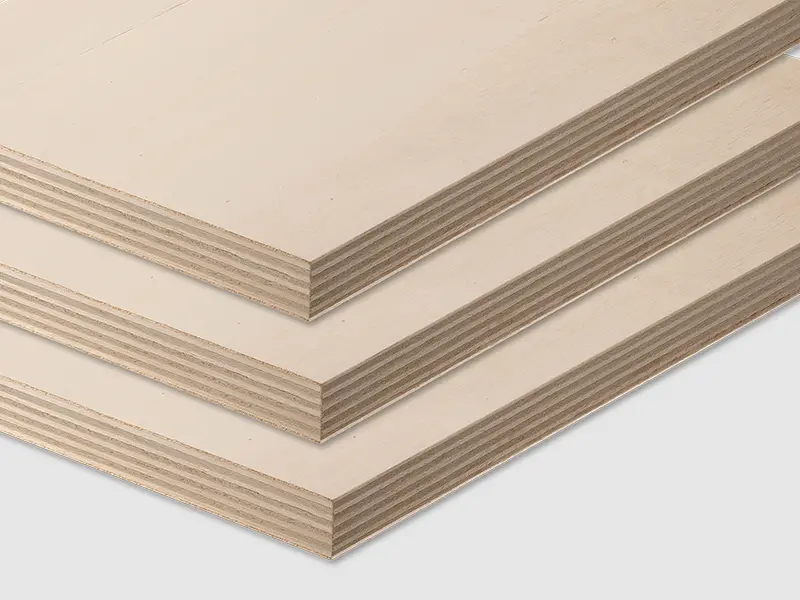
hardwood plywood in a luxury hotel project

What are the Benefits of Pine Plywood?

Pine plywood is a popular material in the construction, furniture, and DIY industries due to its versatility, affordability, and strength. Made from layers of pine veneer glued together, this type of plywood offers a range of benefits that make it a top choice for both professional and home projects. Below, we explore the key benefits of pine plywood, focusing on its strength and durability, cost-effectiveness, and environmental benefits. Strength and Durability of Pine Plywood Pine plywood is known for its impressive strength and durability, making it a reliable material for a variety of applications. Despite being a relatively softwood, pine plywood’s construction of multiple layers, or plies, gives it enhanced strength and resistance to bending or warping. This layered design helps distribute weight evenly, increasing the overall stability of the plywood. Key aspects of pine plywood strength and durability: Resistance to Warping: The cross-grain structure of pine plywood minimizes the risk of warping, ensuring it remains stable even in changing humidity or temperature conditions.High Load-Bearing Capacity: Pine plywood can bear significant loads, making it suitable for use in structural applications like flooring, wall panels, and roofs.Long Lifespan: Due to its ability to withstand wear and tear, pine plywood is durable enough for both interior and exterior use, lasting for many years when properly maintained.Its combination of strength and durability makes pine plywood a dependable material for a wide variety of projects, from cabinetry and furniture to structural elements in construction. Cost-Effectiveness of Pine Plywood One of the most compelling reasons to choose pine plywood is its cost-effectiveness. Pine is a readily available and abundant softwood, making it more affordable compared to other hardwood or engineered plywood options. This affordability, combined with its strength and versatility, makes pine plywood an ideal choice for budget-conscious consumers or large-scale projects. Key factors contributing to cost-effectiveness: Lower Material Cost: Pine plywood is significantly cheaper than plywood made from hardwoods like oak or maple, while still providing similar benefits in terms of strength and functionality.Ease of Sourcing: As pine is widely available, the cost of transportation and sourcing is lower, further reducing the overall expense of pine plywood.Long-Term Value: Despite its lower price point, pine plywood offers excellent performance and longevity, giving homeowners and builders great value for their investment.Whether you are undertaking a home renovation or starting a large construction project, pine plywood provides an affordable, high-quality option without compromising on strength or durability. Environmental Benefits of Pine Plywood Pine plywood also offers significant environmental benefits that appeal to eco-conscious consumers. Pine is a renewable resource, and its cultivation and use for plywood are more sustainable compared to many hardwoods. Additionally, advancements in plywood manufacturing processes have led to more environmentally friendly practices, making pine plywood an increasingly eco-friendly choice. Key environmental advantages of pine plywood: Sustainable Sourcing: Pine trees grow relatively quickly, making them a renewable resource that can be replenished in a short amount of time. Many pine forests are also managed under sustainable forestry practices, ensuring that harvesting is done responsibly.Reduced Carbon Footprint: Pine plywood’s light weight and ease of transportation reduce the overall energy and carbon emissions involved in its production and shipping.Recyclable and Biodegradable: At the end of its life cycle, pine plywood can be recycled or repurposed, minimizing its environmental impact. Additionally, if it ends up in a landfill, it is biodegradable, unlike some synthetic materials that take centuries to decompose.By choosing pine plywood, builders and homeowners can reduce their environmental footprint while benefiting from a strong, cost-effective material. In conclusion, pine plywood is a versatile, durable, and affordable material with several important benefits. Its strength and durability make it suitable for a wide range of applications, while its cost-effectiveness offers excellent value for money. Moreover, pine plywood’s environmental benefits make it a sustainable choice for eco-conscious individuals. Whether you are working on a construction project or a home improvement task, pine plywood stands out as a reliable and responsible option.
What are the Benefits of Pine Plywood? Read More »

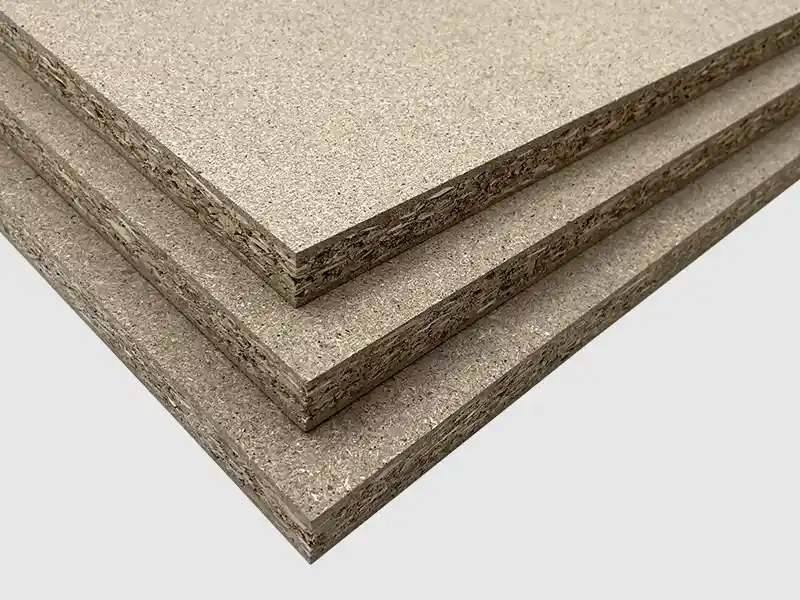
plain particle board

What is Pine Core Particleboard

Pine core particle board is a type of engineered wood product made from wood particles, primarily derived from pine wood, which are bonded together using adhesives and pressed into sheets. It is widely used in construction, furniture manufacturing, and interior design due to its balance of affordability, strength, and versatility. Key Features of Pine Core Particle Board 1. Material Composition:Made from fine and coarse wood particles, often a mix of pine sawdust, wood chips, and shavings.Utilizes a resin-based adhesive to bind the particles together.2. Density and Strength:Typically medium-density, offering sufficient strength for lightweight construction needs.Its core, primarily of pine, ensures better durability compared to boards made from mixed hardwoods.3. Surface Finish:Smooth and uniform surface that can be laminated, veneered, or painted.Ideal for decorative applications.4. Eco-Friendly:Often manufactured using wood waste and by-products, reducing environmental impact.Some variants are made with low formaldehyde emissions, improving indoor air quality.5. Workability:Easy to cut, drill, and shape.Compatible with screws and nails, though pre-drilling may be necessary to avoid splitting. Pine Core Particle Board Applications 1. Furniture:Used in the production of cabinets, shelves, and low-cost furniture.Ideal for flat-pack designs and modular systems.2. Construction:Commonly used for paneling, partitions, and underlayment.Suitable for non-load-bearing structures.3. Interior Design:Laminated or veneered versions are used for decorative wall panels and flooring. Pine Core Particle Board Advantages Cost-Effective: More affordable than solid wood or MDF.Lightweight: Easier to handle and transport.Customizable: Can be coated or treated to suit various aesthetics. Pine Core Particle Board Limitations Moisture Sensitivity: Prone to swelling or warping when exposed to water.Reduced Strength: Not suitable for heavy load-bearing applications.Wear and Tear: Surface can chip or scratch under heavy use without proper treatment. Pine Core Particle Board Maintenance and Care To maximize the lifespan of pine core particle board:Avoid prolonged exposure to moisture.Use appropriate finishes to seal surfaces and edges.Handle with care during installation to prevent damage.Pine core particle board strikes a good balance for projects that require an economical yet functional material. It’s especially valuable for lightweight furniture and decorative applications. Recommended products

What is Pine Core Particleboard Read More »

furniture & interior decoration

Brief Introduction of Chinese Furniture Plywood

China has a well-established industry for plywood manufacturing, including high-quality furniture-grade plywood. These factories cater to domestic and international markets, offering a wide range of products suitable for furniture, cabinetry, and interior applications. Here’s an overview of what to expect when looking at furniture plywood factories in China, including types of plywood, production processes, quality considerations, and key regions involved. 1. Types of Plywood Produced Hardwood Plywood: Often crafted from wood like birch, maple, oak, and walnut. This is highly durable and suitable for furniture that needs a fine finish.Softwood Plywood: Made from pine or spruce, it’s lightweight but not as durable as hardwood. Commonly used for furniture frames or interior layers.Marine Plywood: Highly resistant to moisture, often used in furniture in humid environments.Laminated Plywood: Layers of veneer are laminated with adhesives, enhancing durability and often used for decorative finishes in furniture.Veneered Plywood: Features a high-quality veneer surface, typically with a hardwood top layer, making it ideal for visible surfaces in furniture. 2. Production Process Veneer Selection and Peeling: Thin layers of wood veneer are created by peeling logs. This stage is crucial for quality since consistent thickness and smoothness affect the plywood’s finish.Drying and Glue Application: The veneers are dried and treated with adhesives, typically formaldehyde-free, to ensure durability and eco-friendliness.Pressing and Lamination: Multiple layers of veneer are pressed together under high temperature and pressure. Some factories employ high-tech machines to ensure precise pressure and evenness across the boards.Cutting and Sizing: The large sheets are cut down to standard or custom sizes for furniture applications.Finishing: Quality checks are conducted, and some factories add additional layers for finish, such as a waterproof coating, sanding, or polishing. 3. Quality Standards and Certifications Environmental Standards: Many Chinese factories adhere to environmental standards, such as CARB (California Air Resources Board) compliance and E0/E1 grades for low formaldehyde emissions.Quality Grades: Plywood is graded on appearance and structural integrity. Grade A is often used for visible furniture surfaces, while lower grades might serve for internal layers.International Certifications: Reputable factories often hold ISO 9001, FSC (Forest Stewardship Council), and PEFC (Programme for the Endorsement of Forest Certification) certifications. 4. Key Regions for Plywood Manufacturing in China Linyi, Shandong Province: Known as China’s plywood capital, this region hosts numerous factories with a strong emphasis on export quality.Shandong Fortuna International Trade Co., Ltd. Founded in 1990s in linyi city , It is one of the largest wooden panel manufacturers in China . Mainly exports Plywood ,Film Faced Plywood , Melamine boards, MDF ,OSB Boards for global importers, furniture factories, construction companies and building material wholesalers . The high quality plywood and film faced plywood passed US CARB 2, Europe CE, EUTR, FSC , ISO and China plywood standard . We supply top quality film faced plywood made of hardwood, birch or poplar . Our furniture plywood,Furniture MDF and furniture Particleboard are sold to big furniture factories with best-know brands in Canada,US, Belgium , Denmark Europe markets.  5. Benefits of Choosing China-Based Plywood Factories Cost-Effective Production: China offers competitive pricing due to the scale of production, advanced manufacturing facilities, and lower labor costs.Customizable Orders: Many factories in China are equipped to handle custom requirements, including unique sizes, finishes, or veneer types.Sustainable Sourcing and Eco-Friendly Options: With growing demand for sustainable products, many factories provide eco-friendly options and FSC-certified wood. 6. Considerations When Selecting a Factory Sample Quality: Request samples to ensure the quality matches specifications, especially if the product is for high-end furniture.Factory Audits and Visits: Visiting the factory or arranging for an inspection helps verify production quality and ensures adherence to standards.Export Experience: Factories with export experience will have familiarity with international regulations, packaging, and logistics. China’s furniture plywood factories provide a wide variety of options for manufacturers seeking quality and cost-effective materials. When selecting a factory, it’s essential to consider factors like product quality, environmental certifications, and the region of production, which can all impact the final product quality and suitability for various furniture applications.

Brief Introduction of Chinese Furniture Plywood Read More »

poplar plywood

Poplar Plywood: Made, Properties and Uses

Poplar plywood is celebrated in woodworking and construction circles for its lightweight properties, versatility, and affordability. Originating from the poplar tree, this plywood offers a smooth finish and is a popular choice in furniture, cabinetry, and DIY projects due to its workability and natural appeal. In this comprehensive guide, we’ll delve into everything you need to know about poplar plywood, from its various types to its numerous applications, maintenance tips, and more. What is Poplar Plywood? Poplar plywood is an engineered wood product made by layering thin sheets (veneers) of poplar wood, which are glued together with alternating grain patterns to enhance strength and durability. This construction method not only makes it sturdy but also offers a stable and flat surface ideal for woodworking. The plywood is light in color, has a uniform grain, and is frequently used in applications where a smooth, paintable surface is desired.Poplar plywood stands out for its ability to be easily cut, sanded, and finished, making it a favorite in cabinetry, furniture making, and indoor projects. It’s less expensive than other hardwood plywood types, yet provides sufficient durability for a wide range of projects, from simple DIY crafts to complex cabinetry and decorative paneling. Standard Poplar Plywood This is the most commonly used form of poplar plywood, suitable for a wide range of interior applications. Standard poplar plywood is lightweight, easy to handle, and offers a consistent surface that can be painted, stained, or varnished. Flexible Poplar Plywood Flexible poplar plywood, also known as bendy plywood, is designed for curved applications such as furniture with rounded edges, decorative wall panels, and custom installations. This plywood type can be bent easily without cracking, making it ideal for intricate designs and projects requiring a flexible wood base. Marine Poplar Plywood Marine-grade poplar plywood is specially treated to be moisture-resistant, making it suitable for environments where water exposure is common. While not as water-resistant as marine plywood made from hardwoods, marine poplar plywood is a good option for lower-budget water-resistant needs such as boat interiors, bathroom vanities, or damp basements. How Poplar Plywood is Made The production of poplar plywood involves a series of steps, from sourcing the wood to the final pressing and finishing processes. Sourcing and Preparing Poplar Wood The poplar wood used for plywood typically comes from fast-growing poplar trees, known for their straight trunks and consistent grain. These trees are often grown in managed forests, making them a more sustainable option. Manufacturing Process Once the wood is harvested, it is cut into thin veneers and dried to remove moisture. The dried veneers are then layered with adhesives, with each layer positioned at a right angle to the previous one. This cross-graining technique strengthens the plywood and minimizes warping and shrinking. After layering, the plywood is pressed under high pressure and heat to cure the adhesive, resulting in a sturdy, flat sheet of poplar plywood. Characteristics and Properties of Poplar Plywood Poplar plywood boasts a range of properties that make it ideal for various applications. Here are some of its key characteristics: Lightweight Yet Durable Poplar plywood is lighter than many other hardwood plywoods, making it easier to handle and ideal for furniture that may need to be moved. Despite its lightweight, it maintains good structural integrity, holding up well in furniture and cabinetry applications. Smooth Finish and Paintability One of the standout features of poplar plywood is its smooth, even surface. It sands easily, providing an excellent base for painting, staining, or veneering. The smoothness of poplar plywood is especially valued in furniture making and interior decor. Eco-Friendly and Sustainable Option Because poplar trees grow quickly and are widely available, poplar plywood is considered a more sustainable choice compared to slower-growing hardwoods. Additionally, responsibly sourced poplar plywood reduces the impact on old-growth forests and contributes to eco-friendly practices in construction and woodworking.

Poplar Plywood: Made, Properties and Uses Read More »

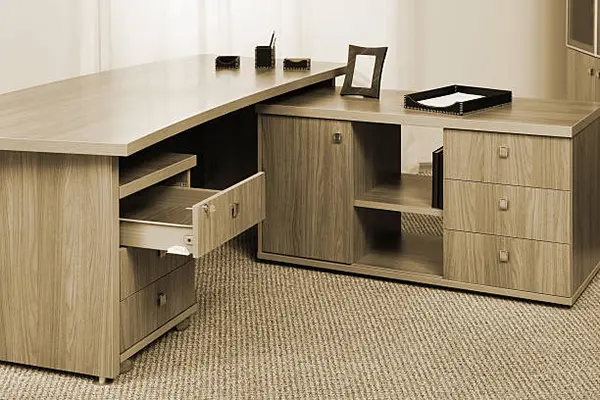
mdf for kitchen cabinets & office furniture

Introduction and Types to Furniture Plywood

1. Introduction to Furniture Plywood Plywood has become a cornerstone in modern furniture design, offering an affordable, durable, and versatile material for a variety of furniture applications. But what exactly is furniture plywood, and why has it gained so much popularity in the woodworking and furniture industry? 2. What is Furniture Plywood? Furniture plywood is a type of engineered wood made by layering thin sheets, or “plies,” of wood veneer that are glued together, typically at right angles to one another. This cross-grain structure adds significant strength and stability to the wood, making it highly suitable for use in furniture that must endure daily wear and tear. 3. A Brief History of Plywood in Furniture Though plywood’s history can be traced back to ancient Egypt, its widespread adoption in modern furniture began in the early 20th century. Plywood emerged as a cheaper alternative to solid wood, quickly becoming a favorite among furniture makers due to its strength, versatility, and ease of use. Since then, it has revolutionized the furniture industry, particularly in mass production. 4. Types of Plywood Used in Furniture Furniture makers use several types of plywood depending on the furniture’s intended purpose and desired aesthetic. The type of plywood can significantly impact both the functionality and the visual appeal of the final product. 5. Softwood vs Hardwood Plywood Softwood Plywood: Made from woods like pine, fir, and cedar, softwood plywood is commonly used for structural furniture pieces such as bed frames, where durability and load-bearing capability are important.Hardwood Plywood: Derived from hardwoods like oak, birch, and maple, this plywood is often chosen for its superior strength and fine grain, making it a popular choice for cabinets, tables, and other furniture requiring a polished look. 6. Structural vs Decorative Plywood Structural Plywood: Strong and durable, this plywood is often used for load-bearing furniture components like shelves, desks, and frames.Decorative Plywood: While still strong, this type focuses on aesthetics. Often covered with a veneer of more expensive hardwood, it’s used in visible furniture pieces where appearance is critical. 7.Marine Grade Plywood for High-Durability Furniture For furniture exposed to moisture or extreme conditions, marine grade plywood is an excellent choice. It’s designed to resist water and humidity, making it ideal for bathroom or outdoor furniture.

Introduction and Types to Furniture Plywood Read More »

birch plywood

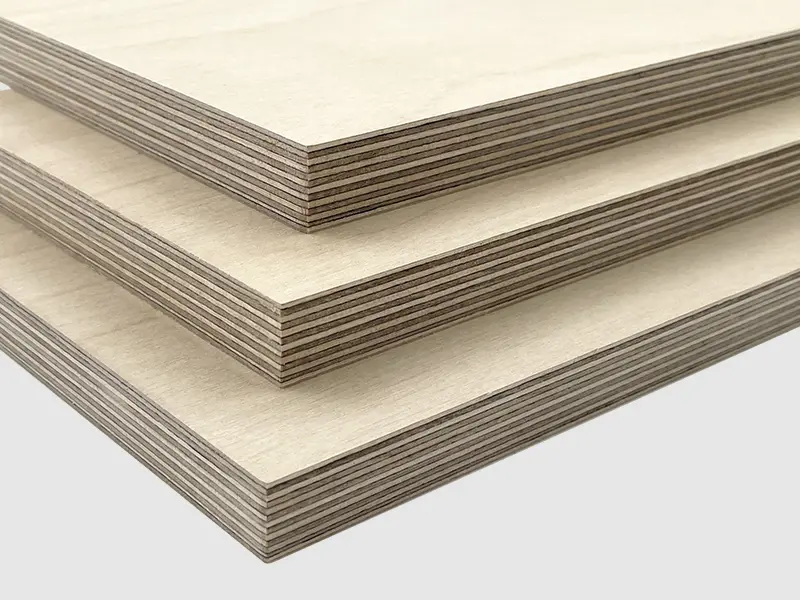
Introduction and Types Birch Plywood

1. Introduction to Birch Plywood Birch plywood is a versatile and widely used building material known for its strength, fine grain, and aesthetic appeal. Derived from the birch tree, a species found primarily in northern climates like Russia and Finland, birch plywood is made by layering thin sheets (veneers) of birch wood, bonded together with adhesives. Its high-quality finish, combined with its excellent structural properties, makes it an ideal choice for various applications ranging from furniture to construction.Birch plywood stands out for its smooth surface, which allows for easy staining and painting, making it a favorite among woodworkers, interior designers, and DIY enthusiasts. Its light, pale color is often preferred in modern and Scandinavian-style interiors, where clean, minimalist designs are in demand. Furthermore, it is celebrated for being cost-effective compared to solid hardwood while still offering comparable durability and appearance. 2. History and Origin of Birch Plywood Birch has been used as a valuable wood material for centuries. The plywood industry harnessed the potential of birch wood in the early 20th century, with advancements in plywood manufacturing technology. Birch’s abundance in northern regions, particularly in Russia and the Baltic states, led to the development of birch plywood as a mass-produced product.Originally, birch was prized for its strength and resilience, making it ideal for furniture and boat building. The concept of plywood, where layers of wood veneer are pressed together, transformed the construction and manufacturing sectors by creating a material that was stronger and less prone to warping than solid wood. 3. Composition and Structure of Birch Plywood Birch plywood is composed of thin layers of birch wood veneers glued together in alternating directions to form a stable and strong sheet. This cross-laminated structure provides exceptional strength and resistance to splitting, especially when nailed or screwed.Typically, the inner core of birch plywood consists of multiple plies (layers), and the number of these layers often determines the quality and price of the product. High-quality birch plywood, such as Baltic birch plywood, can have anywhere from 9 to 13 layers in a 3/4-inch thickness, providing excellent structural stability. Birch plywood also uses strong adhesives, including phenolic or formaldehyde-free glues, depending on the product’s intended application. 4. Types of Birch Plywood There are several types of birch plywood available, each with its own set of properties and uses:Baltic Birch Plywood: Often considered the highest grade, Baltic birch plywood is known for its uniform thickness, minimal voids in the inner plies, and superior durability. It’s frequently used in cabinetry, fine furniture, and woodworking projects requiring precision.Soft Birch Plywood: This is a more economical option, often used for applications where high strength and durability are not critical. It is lighter and less durable than Baltic birch but still provides a good balance between cost and performance.Birch-veneered Plywood: In this type, a thin birch veneer is applied to a core of another material, such as MDF or particleboard, combining the appearance of birch with the affordability of composite materials.

Introduction and Types Birch Plywood Read More »

fortuna melamine blockboard

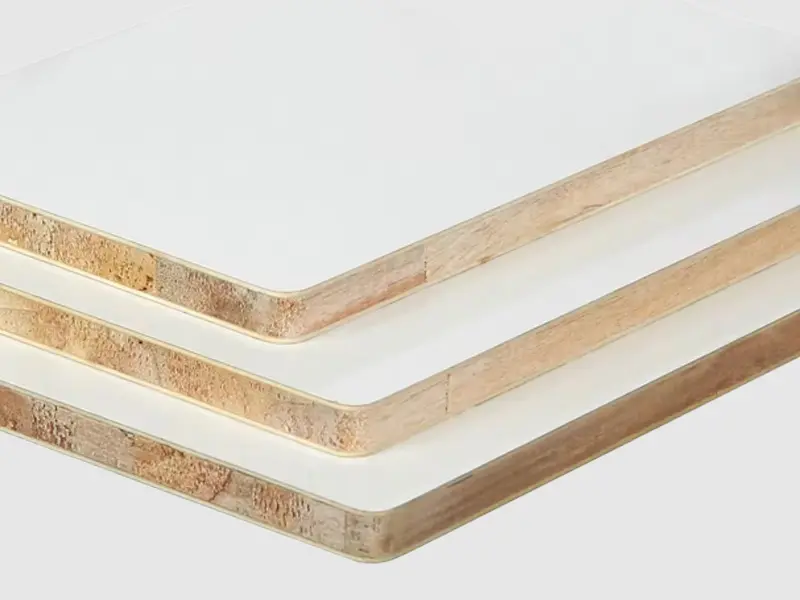
Blockboard Supplier and Manufacturer – China Fortuna

Introduction to China Fortuna Blockboard China Fortuna is a trusted name in the global wood panel industry, specializing in manufacturing high-quality blockboard. Known for its wide variety of blockboard types, China Fortuna is a top supplier for clients in the furniture, cabinetry, and construction industries. Their blockboard products are valued for their strength, durability, and excellent performance, particularly in indoor applications like furniture, doors, and interior decoration. What is Blockboard? Blockboard is a type of engineered wood panel made by sandwiching a core of wooden strips between two layers of veneer. The wooden core is often made from softwoods like pine, falcata, or paulownia, giving the board a lightweight structure while maintaining strength. Blockboard is highly preferred for making doors, cabinets, and furniture due to its superior nail-holding capabilities and resistance to warping compared to plywood.Types of Blockboard Offered by China Fortuna China Fortuna offers a diverse range of blockboard products, catering to different project needs. Their selection includes:18mm Falcata Blockboard: A lightweight and eco-friendly option.HPL Blockboard: High-pressure laminate-coated blockboard for scratch resistance.Hardwood Blockboard: Known for its exceptional strength and durability.Pine Core Blockboard: A cost-effective solution for various applications.Paulownia Blockboard: Lightweight and sustainable, ideal for eco-conscious projects.Combined Core Blockboard: A balanced solution, combining different core materials for optimal strength and weight. Features of China Fortuna Blockboard Products China Fortuna blockboards are manufactured with no core voids, ensuring excellent strength and uniformity. The absence of gaps in the core enhances the board’s ability to hold nails, making it ideal for assembling doors, cabinets, and other heavy-duty furniture. The blockboard panels are smooth, flat, and free from imperfections, which is critical for achieving high-quality finishes in interior decoration.

Blockboard Supplier and Manufacturer – China Fortuna Read More »

Scroll to Top